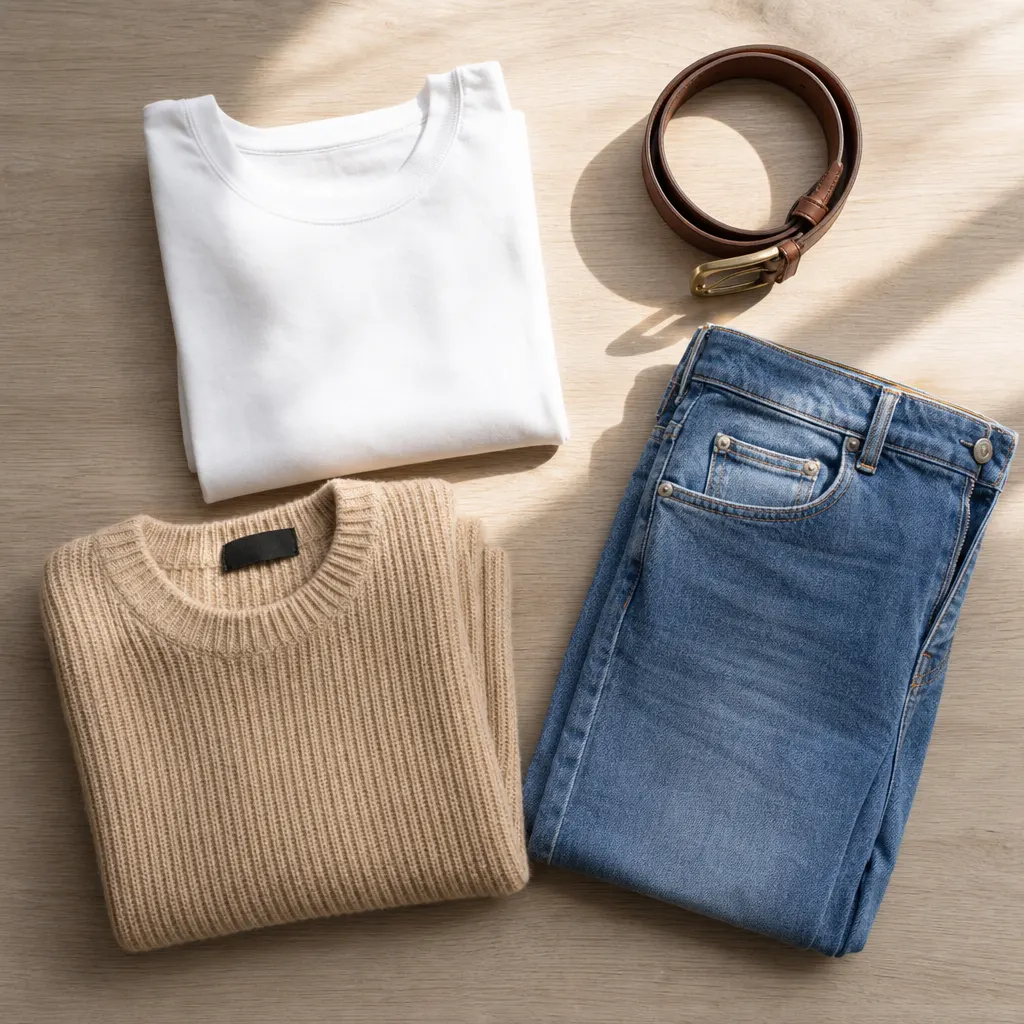
The fashion industry is one of the world's biggest polluters, but that doesn't mean you have to give up on style to be eco-conscious. The rise of "slow fashion" offers a powerful alternative to the fast-fashion cycle of buy, wear, and toss. The best part? Building a sustainable wardrobe is more accessible and affordable than ever. It's not about expensive designer labels; it's about making smarter choices that are kinder to the planet and your wallet.
This post contains affiliate links. We may earn a small commission at no extra cost to you.This guide will walk you through the core principles of affordable sustainable fashion, helping you curate a closet you can feel good about.
1. The Power of Thrifting and Secondhand
The most sustainable item of clothing is the one that already exists. Secondhand shopping is the ultimate eco-friendly hack. It extends the life of garments, reduces textile waste, and saves an incredible amount of water and energy that would be used to produce new items.
Online platforms like ThredUp, Poshmark, and Depop have made it easy to find high-quality pre-loved items. Local thrift stores and consignment shops are also treasure troves for unique finds. Don't just look for clothes; you can find amazing deals on shoes, bags, and accessories that add character to your look without the environmental price tag.
2. Embrace the "Buy Less, Choose Well" Mentality
Vivienne Westwood's famous quote is the heart of the slow fashion movement. Instead of buying a dozen cheap, trendy items that will fall apart after a few washes, invest in fewer, higher-quality pieces that are built to last.
Look for durable, natural fabrics like organic cotton, linen, and Tencel. These materials not only feel better on your skin but also biodegrade much more easily than synthetic fibers like polyester and nylon, which are essentially plastics. A great starting point is investing in a high-quality organic cotton tote bag that can replace countless plastic bags for shopping and daily errands.
3. Learn Basic Mending and Care
A loose button or a small tear doesn't mean a garment is destined for the landfill. Learning a few basic sewing skills can dramatically extend the life of your clothes. YouTube is filled with tutorials on how to sew a button, patch a hole, or hem a pair of pants.
Proper clothing care is also crucial. Washing clothes in cold water, line-drying when possible, and using gentle, eco-friendly detergents can preserve fabric quality and color for years. For delicate items, a mesh laundry bag can prevent snags and stretching in the washing machine, ensuring your favorite pieces stay in rotation for longer.
4. Host a Clothing Swap
A clothing swap with friends is a fun, social, and completely free way to refresh your wardrobe. Gather a group, have everyone bring a bag of clothes they no longer wear (but are still in good condition), and trade. It’s a fantastic way to find new-to-you pieces and ensure your old favorites go to a good home instead of a landfill. Anything left over can be donated to a local charity.
5. Repurpose and Upcycle
Get creative with clothes that are no longer wearable. Old t-shirts can be turned into cleaning rags, tote bags, or even woven into a rug. Denim can be transformed into shorts, bags, or patches for other garments. Upcycling not only saves money and reduces waste but also gives you a unique, one-of-a-kind piece that no one else has.
Building a sustainable wardrobe is a journey, not a destination. By making small, intentional changes, you can create a positive impact on the environment while developing a personal style that is both timeless and mindful.