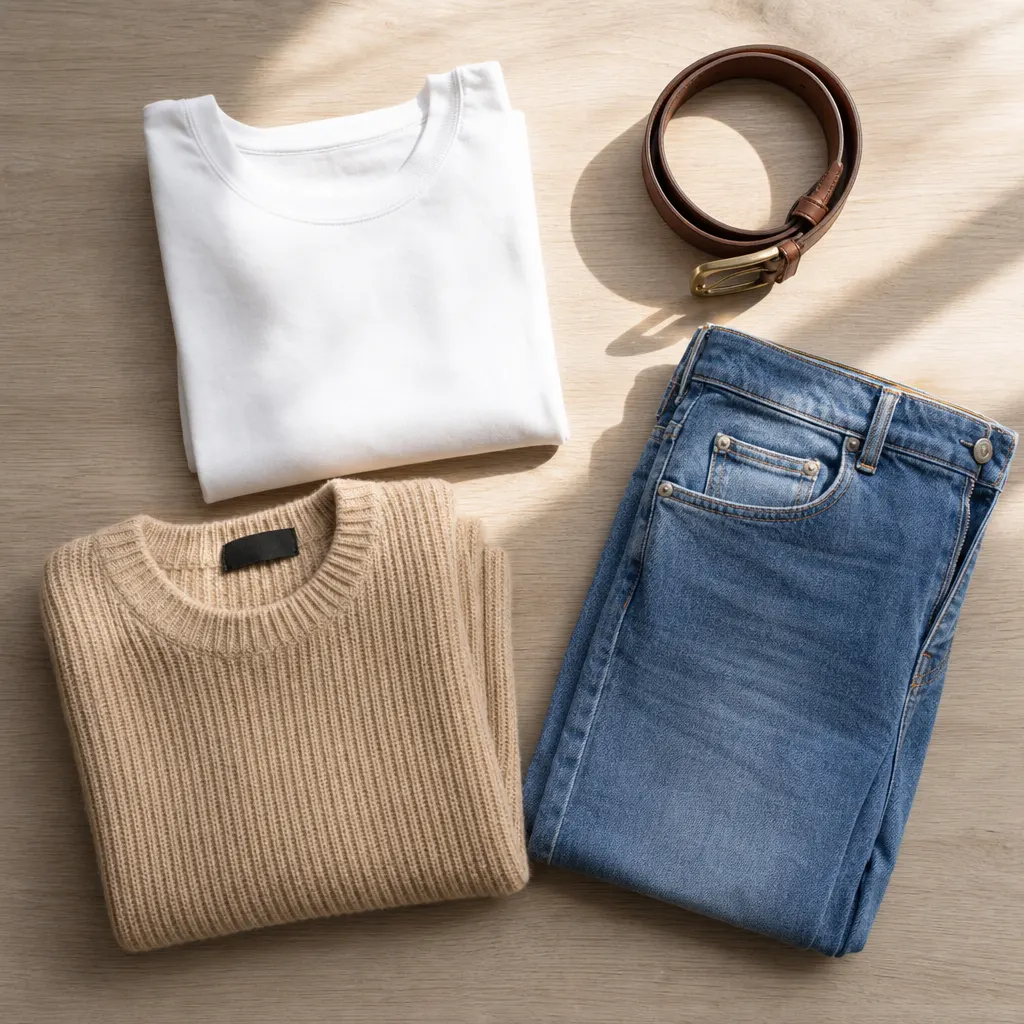
The allure of a new outfit is undeniable, but the fast fashion industry has a significant environmental and ethical footprint. Mountains of textile waste, resource-intensive production, and questionable labor practices are the hidden costs of that $10 t-shirt. The good news? Creating a sustainable and stylish wardrobe doesn't require a huge budget. It’s about shifting your mindset from disposable trends to timeless style and conscious consumption.
This post contains affiliate links. We may earn a small commission at no extra cost to you.Here’s how you can build a wardrobe that’s kind to the planet and your wallet.
1. Start with a Wardrobe Audit
Before you buy anything, take a good look at what you already own. Many of us only wear a small fraction of our clothes. Spend an afternoon rediscovering old favorites, identifying pieces you can style differently, and setting aside items that no longer serve you (for donation, selling, or swapping). This simple act prevents unnecessary purchases and helps you appreciate the value already hanging in your closet.
2. Embrace the Thrill of Secondhand
Thrifting is one of the most effective ways to practice sustainable fashion. It gives garments a second life, keeping them out of landfills and reducing the demand for new production. Online platforms like Poshmark and ThredUp have made it easier than ever to find specific items, while local charity and consignment shops offer the joy of a treasure hunt. You can often find high-quality, unique pieces for a fraction of their original price.
3. Prioritize Quality Over Quantity
Fast fashion is cheap because it's not built to last. A sustainable approach involves investing in fewer, better-made items. Look for durable, natural fabrics like organic cotton, linen, and Tencel. A classic organic cotton t-shirt or a pair of well-made jeans might cost more upfront but will outlast dozens of cheaper alternatives. Even small items like high-quality bamboo socks can make a daily difference in comfort and durability, reducing how often you need to replace them.
4. Learn Basic Mending Skills
A loose button or a small tear doesn't have to mean the end of a garment’s life. With a simple beginner sewing kit, you can easily perform minor repairs that extend the life of your favorite clothes. Learning to sew on a button, patch a hole, or fix a hem is an empowering skill that saves you money and combats the throwaway culture.
5. Adopt the "30 Wears" Rule
Before you purchase a new item, ask yourself: "Will I wear this at least 30 times?" This simple question forces you to consider the item's versatility, durability, and place in your long-term wardrobe. It helps differentiate between an impulsive trend purchase and a thoughtful addition that you’ll love for years to come. If the answer is no, it’s probably best to leave it on the rack.
6. Care for Your Clothes Properly
How you wash and dry your clothes has a massive impact on their longevity. Always read the care labels. Simple changes like washing in cold water, using a gentle cycle, and line-drying when possible can prevent shrinking, fading, and fabric damage. Using an eco-friendly laundry detergent is not only better for the environment but can also be gentler on the fabrics themselves, helping them last longer.
Building a sustainable wardrobe is a rewarding journey. It’s about making mindful choices, valuing craftsmanship, and expressing your personal style in a way that aligns with your values. Start small, be patient, and enjoy the process of curating a collection of clothes you truly love.