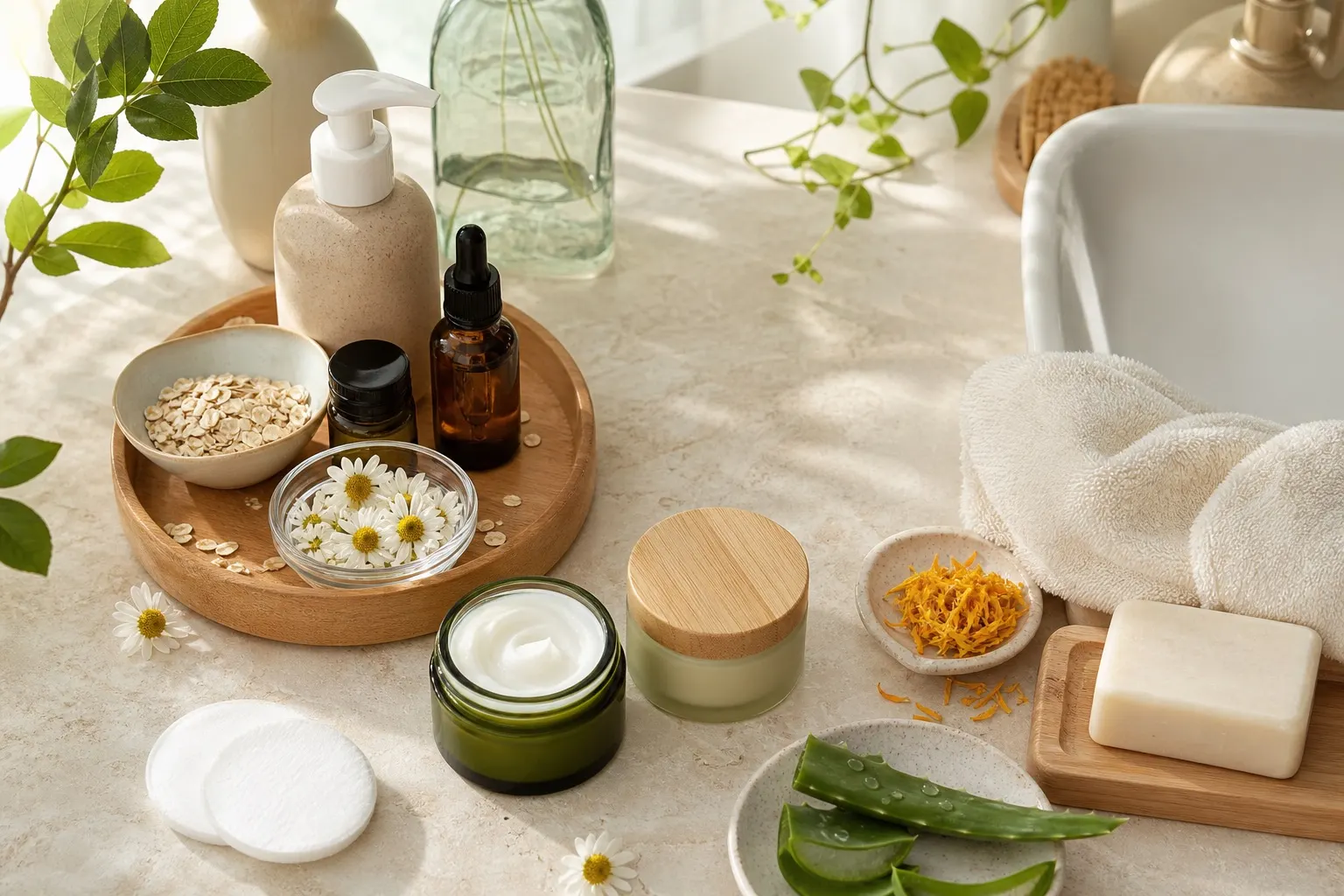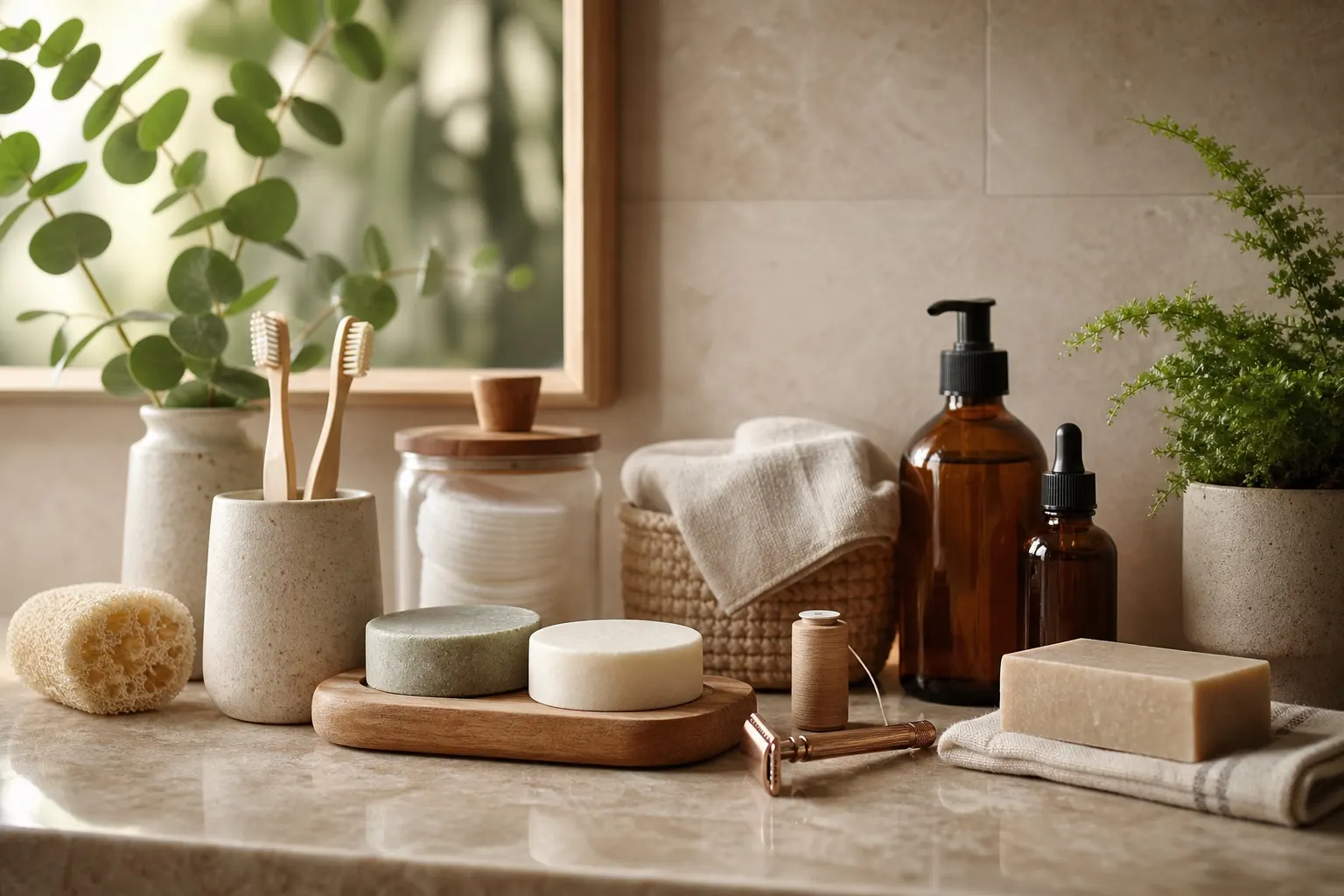
Eco friendly dish soap is worth switching to if it cleans reliably, comes with less plastic, and does not turn your sink into a fussy science project. Quick answer: the best low-waste setup for most homes is a concentrated dish soap bar or refillable liquid paired with a durable brush and a compostable sponge. Skip tiny "green" bottles that cost more per wash. Start with one soap, one scrubber, and one refill system you will actually use.
This post contains affiliate links. We may earn a small commission at no extra cost to you.The dish area is a sneaky source of household waste. A plastic bottle empties, a synthetic sponge gets tossed, and the cycle repeats every few weeks. The good news is that this is one of the easiest kitchen routines to improve without giving up convenience.
What Makes Dish Soap Eco Friendly?
The label alone does not mean much. A better way to judge eco friendly dish soap is by looking at three things: packaging, formula, and performance.
Packaging is the obvious part. Bars, powders, tablets, and refill pouches usually use less plastic than standard pump bottles. The best option is local bulk refill if you have it nearby, because you can keep reusing the same bottle.
Formula matters too. Look for plant-based surfactants, fragrance transparency, and biodegradable claims backed by a reputable certification when possible. The EPA Safer Choice program is a useful reference point for understanding safer cleaning product standards, even when a specific dish soap is not certified.
Performance is the piece people skip. If a soap does not cut grease, you will use twice as much of it, run hotter water, or give up entirely. The greener choice is the one that works in your kitchen on a normal Tuesday night.
Bar, Liquid, Powder, or Refill?
Dish soap bars are the lowest-waste option for many households. They usually come in cardboard or paper, last a long time, and work well with a brush. A good solid dish soap bar can replace several plastic bottles, especially if you let it dry between uses on a draining tray.
Refillable liquid is the easiest transition if your household loves classic dish soap. Keep a glass or stainless pump bottle by the sink and refill it from bulk stores, concentrated packets, or larger jugs. It is not zero waste, but it reduces the number of small plastic bottles you buy.
Dish powders are compact and often excellent for travel, camping, or tiny kitchens. The learning curve is that you need to sprinkle lightly. Too much powder can leave residue or waste product.
Tablets and concentrates can be smart, but check the math. Some look affordable until you compare cost per ounce of finished soap. A simple refillable dish soap dispenser plus a bulk refill often wins on both price and simplicity.
The Sponge Swap Matters Just as Much
If you change only the soap but keep tossing plastic sponges, you leave a lot of waste on the table. Standard synthetic sponges wear out quickly and can shed microplastics as they break down.
Try a two-tool setup instead. Use a long-handled dish brush for plates, bowls, and pans, then keep a cellulose sponge or Swedish dishcloth for counters and delicate items. A bamboo dish brush with replaceable heads is sturdy enough for daily use and avoids the constant sponge churn.
Swedish dishcloths are especially useful because they replace paper towels for most wipe-downs, dry quickly, and can be washed repeatedly. If your kitchen already uses reusable napkins or towels, this fits the same habit loop.
For more swaps that earn their place instead of adding clutter, see our guide to reusable products that actually save money.
How to Build a Low-Waste Dish Station
Do not buy a dozen new products at once. The cleanest system is usually small and boring.
Start with the soap format that matches your current behavior. If you hand-wash a lot of dishes, choose a bar and brush. If multiple people use the kitchen and nobody wants instructions, choose refillable liquid. If you have a dishwasher for most loads, a compact bar may be plenty for the few hand-wash items.
Next, give everything a dry place to live. Bars need drainage, brushes need air, and dishcloths should not sit in a wet pile. A small soap tray or sink caddy prevents mushy bars and mildew smells.
Finally, track the replacement cycle. If one dish bar lasts two months and replaces two bottles, you have a real win. If a pricey refill pouch disappears in two weeks, it may not be the best fit. Eco swaps should make your life lighter, not more expensive and complicated.
Common Mistakes to Avoid
The biggest mistake is assuming natural fragrance equals safer or better. Essential oils can still irritate skin, and strong scents can cling to silicone lids, baby bottles, and water bottles. Unscented or lightly scented is often the smarter default.
Another mistake is using too much soap. Concentrated bars and refills need less product than standard liquid. More suds do not always mean cleaner dishes. Grease removal comes from surfactants, warm water, and friction.
Do not overlook hard water. If your soap leaves film, the product may not be bad; your minerals may be fighting it. Try a different formula before abandoning the whole swap. A simple Swedish dishcloth set can also help with final wipe-downs when water spots are the issue.
FAQ
Is eco friendly dish soap as effective as regular dish soap?
Yes, the good ones are. The key is choosing a format that matches your sink routine and water type. Dish soap bars and concentrated refills can cut grease well, but they work best with a proper brush or cloth and enough warm water.
Are dish soap bars sanitary?
Dish soap bars are fine when they can dry between uses. Store the bar on a draining dish or ridged tray instead of leaving it in standing water. The same rule applies to brushes and cloths: airflow keeps the whole dish station fresher.
What is the cheapest low-waste dish soap option?
For most homes, a solid dish soap bar is the cheapest low-waste option per wash. Bulk liquid refills can also be affordable if you already own a dispenser and buy from a local refill shop. Avoid novelty products until you have compared the cost per use.