Ready to see the world without harming it? Low-waste travel is easier than you think. The key is thoughtful packing, focusing on reusables and refusing single-use items. By swapping disposable toiletries for solid bars, carrying a reusable water bottle, and packing your own snacks, you can dramatically reduce your travel footprint. This approach not only minimizes trash but also saves you money and connects you more deeply with the places you visit.
This post contains affiliate links. We may earn a small commission at no extra cost to you.Traveling sustainably doesn't require sacrificing comfort or convenience. It's about making conscious choices before you even leave home. From your toiletries to your travel documents, a few smart swaps can make a world of difference. Let's dive into how you can pack for your next adventure in a way that's kind to our planet.
Your Low-Waste Toiletry Kit
The easiest place to start cutting down on waste is your toiletry bag. Those tiny, single-use hotel bottles are a major source of plastic pollution. Building your own solid toiletry kit is a game-changer.
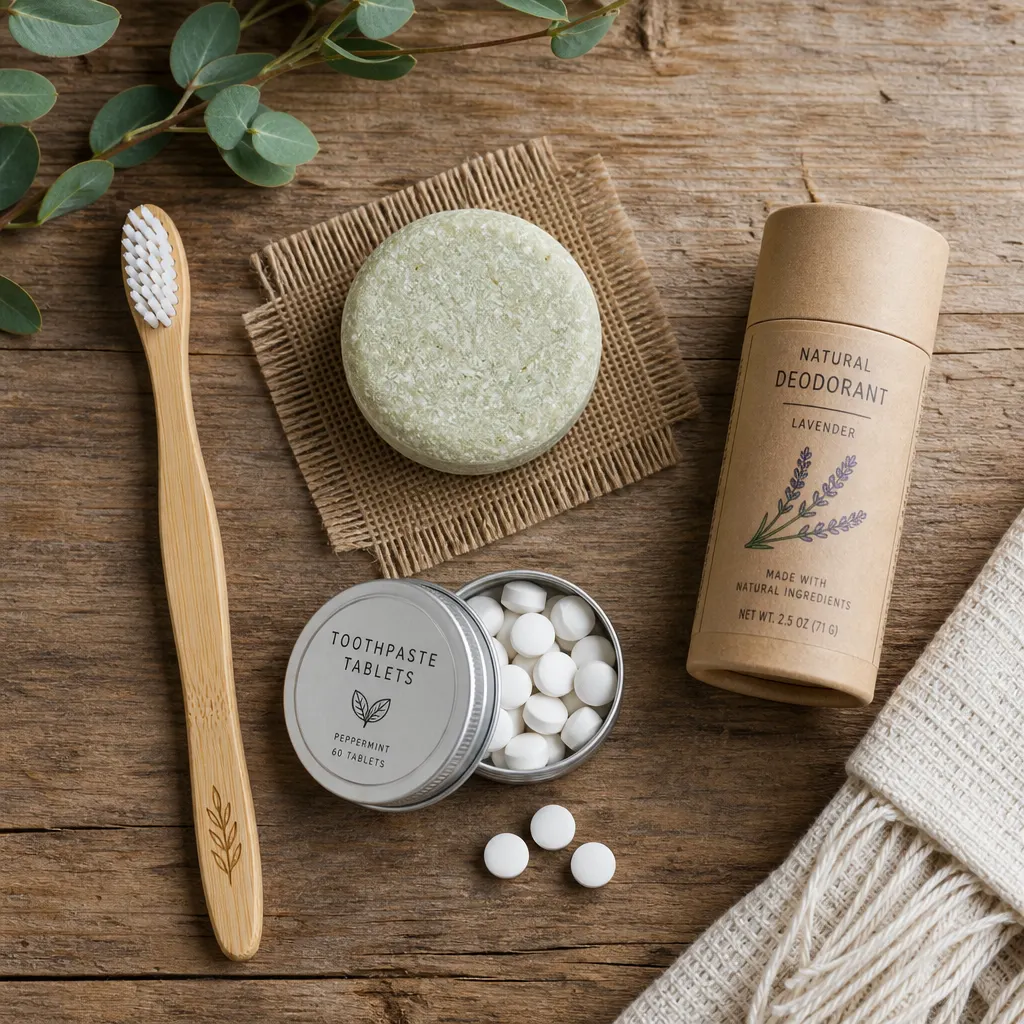
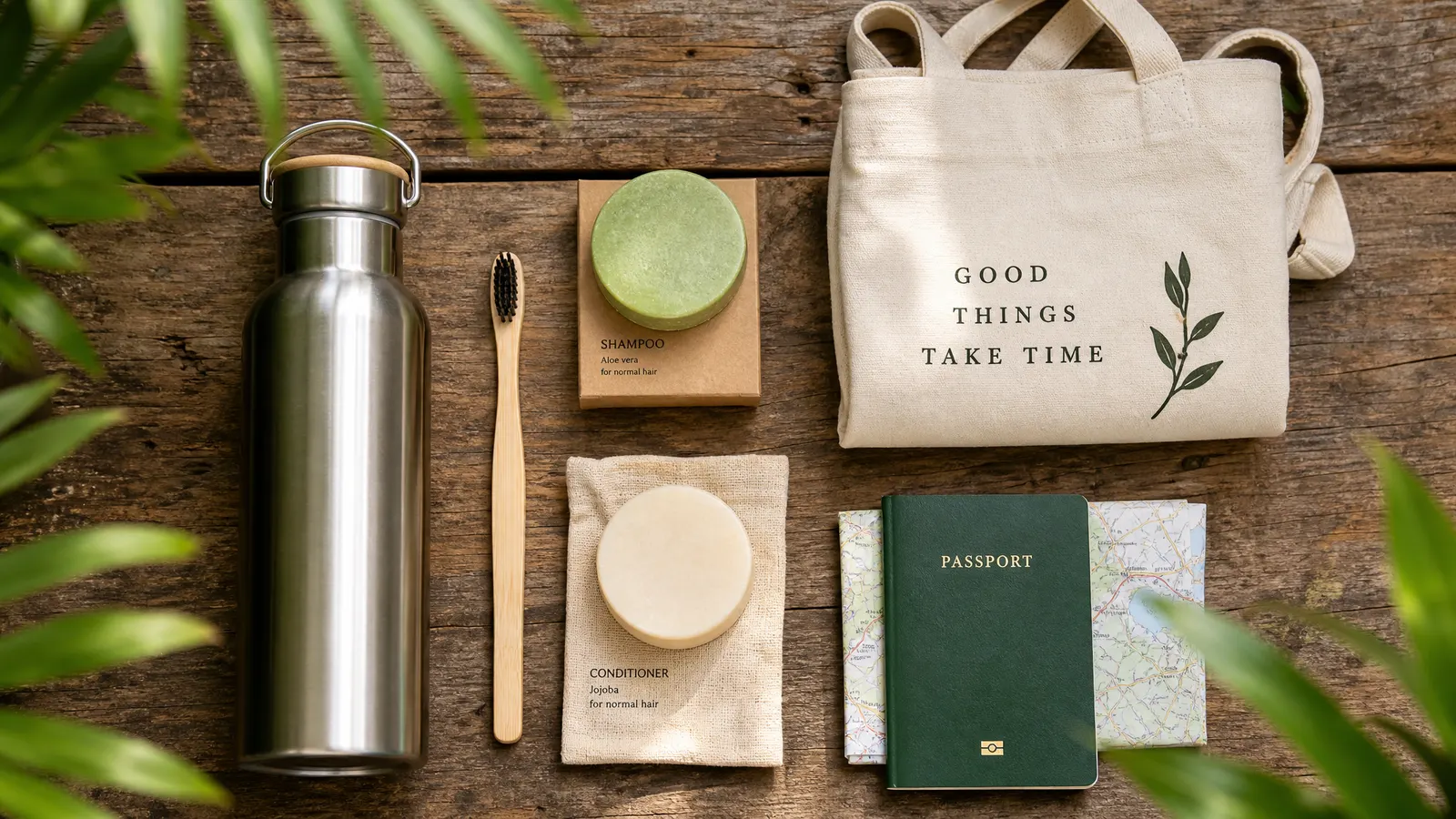
- Solid Shampoo & Conditioner: Bars are fantastic for travel. They're lightweight, last for months, and have no plastic packaging. Brands like Ethique and Lush offer amazing options for all hair types.
- Soap Bars: Ditch the liquid body wash for a simple, nourishing bar of soap. It doubles as a hand soap, saving even more space.
- Toothpaste Tabs & Bamboo Toothbrush: Toothpaste tablets are a mess-free, plastic-free alternative to traditional tubes. Pair them with a biodegradable bamboo toothbrush to complete your oral care routine.
- DIY or Refillable Tins: For things like deodorant, lotion, and sunscreen, consider buying in bulk and refilling small, reusable travel tins. A compact set of travel tins is a great investment for any frequent traveler.
The Reusable Essentials Kit
Beyond toiletries, a few key items will help you refuse single-use plastics on the go. Think of this as your everyday carry for sustainable travel.
- Reusable Water Bottle: This is non-negotiable. A good quality, insulated water bottle will keep you hydrated and save countless plastic bottles from landfills. Many airports and public spaces now have water refill stations.
- Collapsible Coffee Cup: If you're a coffee or tea lover, a collapsible cup is a lifesaver. It fits easily in your bag and is perfect for impromptu cafe stops.
- Travel Utensil Set: Say no to flimsy plastic cutlery. A compact set with a fork, spoon, knife, and even chopsticks is perfect for market meals and take-out.
- Cloth Napkin & Reusable Bag: A simple cloth napkin can replace hundreds of paper ones, and a foldable tote bag is essential for shopping or carrying souvenirs.
Check out our guide to reusable products that save money for more ideas that are great for both home and travel.
Packing Smart and Light
The less you pack, the lower your carbon footprint. Heavier luggage means more fuel consumption for planes and vehicles.
- Capsule Wardrobe: Choose versatile clothing items in a cohesive color palette that you can mix and match to create multiple outfits.
- Digitize Documents: Save digital copies of your tickets, reservations, and passport on your phone. It saves paper and is easier to keep track of.
- Pack Your Own Snacks: Avoid overpriced and over-packaged airport snacks by bringing your own in reusable containers or beeswax wraps.
By adopting these habits, you contribute to a more sustainable tourism industry, a topic extensively covered by organizations like the Global Sustainable Tourism Council.
FAQ: Low-Waste Travel
Q1: How can I handle liquid restrictions at airports with reusable containers?
Most security regulations focus on the size of the container, not whether it's disposable. Simply ensure your reusable containers for liquids are 100ml (3.4 ounces) or less and place them in your clear bag. Opting for solid toiletries is the easiest way to bypass this issue altogether.
Q2: Is it more expensive to travel this way?
While some initial investments are needed, like buying a good water bottle or utensil set, low-waste travel saves you a significant amount of money in the long run. You'll stop buying bottled water, disposable coffee cups, and overpriced packaged snacks.
Q3: What about places where tap water isn't safe to drink?
This is a valid concern. In these situations, a water bottle with a built-in filter or a portable water purifier like a SteriPEN is your best friend. These tools allow you to safely drink tap water from many sources, eliminating the need for single-use plastic bottles.