Traveling doesn't have to mean a trail of plastic water bottles, tiny shampoo containers, and disposable cutlery. Whether you're heading to a weekend cabin or backpacking across Southeast Asia, a few smart swaps can eliminate most single-use waste from your trips — and often save you money in the process.
This post contains affiliate links. We may earn a small commission at no extra cost to you.Here's your complete guide to zero waste travel essentials that actually work on the road.
Start With What You Carry Water In
The single biggest waste generator for most travelers? Plastic water bottles. In airports alone, roughly one million plastic bottles are purchased every minute globally, and a huge percentage end up in landfills.
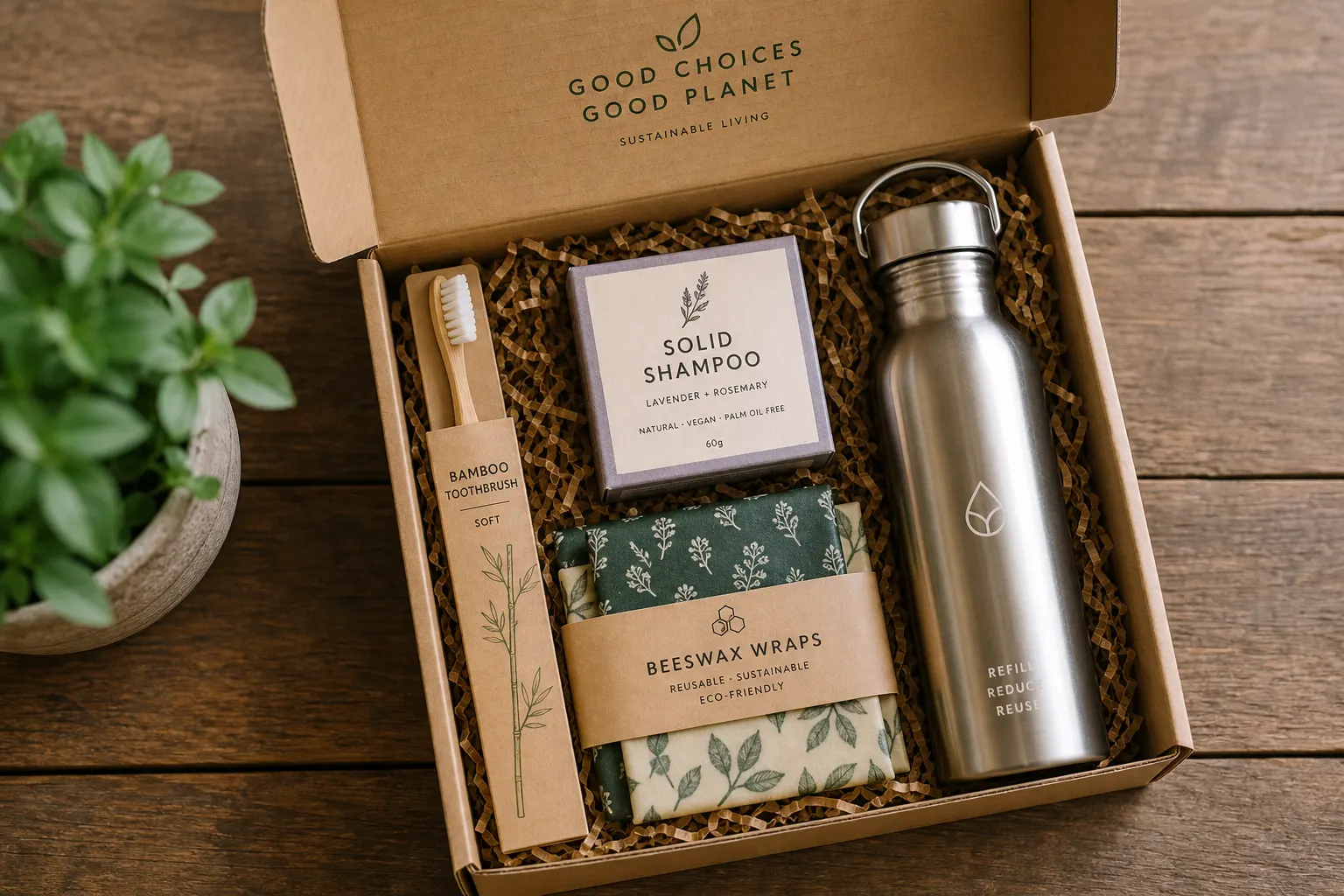
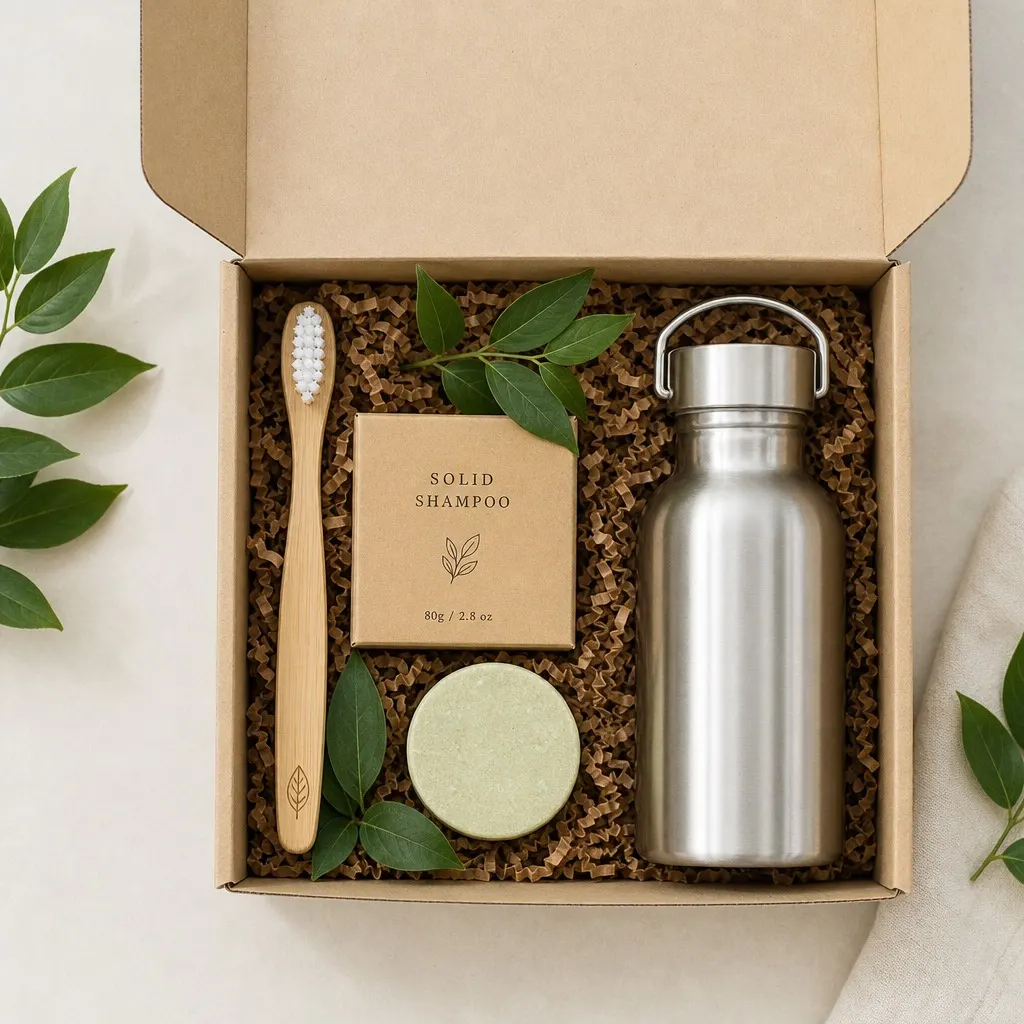
A quality insulated water bottle solves this instantly. Look for one with a wide mouth (easier to fill from taps and fountains) and double-wall vacuum insulation so your water stays cold in Bali or hot in Iceland. The Hydro Flask Wide Mouth 32oz is a traveler favorite — it's durable, keeps drinks cold for 24 hours, and fits in most backpack side pockets.
Pro tip: Many airports now have water refill stations past security. Fill up before your flight and skip the $6 terminal water bottle entirely.Toiletries: Ditch the Minis
Those cute little hotel shampoo bottles? They're an environmental disaster. Most aren't recycled, and their size means a terrible plastic-to-product ratio.
The fix is switching to solid toiletries. Shampoo bars, conditioner bars, and solid lotion bars last longer than their liquid equivalents, weigh less, and don't count toward your liquid carry-on allowance. Brands like Ethique and HiBAR make excellent options that won't leave your hair feeling waxy.
For anything that must stay liquid, invest in a set of silicone travel bottles. They're leak-proof, TSA-approved, and you can refill them hundreds of times instead of buying new minis for every trip.
The Reusable Cutlery Kit
Street food is one of the best parts of travel. The disposable fork and styrofoam container it comes in? Not so much.
A compact cutlery set — fork, spoon, chopsticks, and a straw — takes up almost no space and saves dozens of disposable utensils per trip. Bamboo and stainless steel versions both work well. Bamboo is lighter; steel is more durable and easier to clean. Either way, toss it in your day bag and you're covered for food markets, takeaway meals, and impromptu picnics.
Pair it with a beeswax wrap set for wrapping sandwiches, covering leftovers, or keeping snacks fresh without plastic bags. They fold flat, weigh nothing, and last about a year with normal use.
Packing Smart: Fewer Things, Better Quality
Zero waste travel isn't just about swapping disposables. It's also about packing less stuff in the first place. Every item you bring has an environmental footprint — manufacturing, shipping, and eventually disposal.
The capsule packing approach:- 5-7 clothing items that mix and match (stick to 2-3 colors)
- One pair of versatile shoes that works for walking, light hiking, and casual dinners
- Quick-dry fabrics so you can wash in a sink and wear again next day
- A packable daypack that compresses when not in use
This approach means a smaller bag, which means less fuel on flights, less strain on your back, and fewer impulse buys to "replace something I forgot."
Sustainable Accommodation Choices
Where you stay matters as much as what you pack. A few strategies to reduce your impact:
Hang the towel. Most hotels now offer the option to reuse towels. Actually do it — a single hotel towel wash uses about 15 gallons of water. Choose eco-certified stays. Look for Green Key, EarthCheck, or LEED-certified accommodations. These aren't just marketing — they require measurable waste reduction, energy efficiency, and water conservation targets. Consider alternatives. House-sitting platforms, farm stays, and eco-lodges often have a fraction of the environmental impact of conventional hotels. Plus, they tend to offer more interesting experiences.Digital Over Paper
This one's easy but often overlooked:
- E-tickets and mobile boarding passes instead of printouts
- Offline maps on your phone instead of paper maps
- Digital guidebooks instead of physical ones (or borrow from a library)
- A notes app for journaling instead of buying a travel notebook you'll use once
The exception: a physical book for the plane. Screens on flights feel different than screens everywhere else, and a secondhand paperback you can leave at a book exchange is practically zero waste.
Carbon Offsets: Worth It or Greenwashing?
Let's be honest — flying has a massive carbon footprint, and no amount of reusable straws offsets a transatlantic flight. But that doesn't mean offsets are worthless.
Choose verified programs like Gold Standard or Verra that fund measurable projects — reforestation, clean cookstoves, renewable energy in developing regions. Avoid vague "we'll plant a tree" promises without verification.The real move is combining offsets with reduction: take trains when possible, choose direct flights (takeoff and landing burn the most fuel), and consider whether a video call could replace a business trip.
Your Zero Waste Travel Checklist
Before your next trip, run through this list:
- ✅ Reusable water bottle (insulated)
- ✅ Solid shampoo and conditioner bars
- ✅ Silicone travel bottles for liquids
- ✅ Reusable cutlery set and straw
- ✅ Beeswax wraps or a reusable snack bag
- ✅ Cloth tote bag (folds into pocket, replaces plastic shopping bags)
- ✅ Reusable coffee cup (if you're a caffeine traveler)
- ✅ Digital copies of all documents
None of these items are expensive, heavy, or inconvenient. Most pay for themselves within a trip or two by replacing things you'd otherwise buy disposable versions of.
The Mindset Shift
Zero waste travel isn't about perfection. You'll still generate some waste — a wrapper here, a receipt there. The goal is reducing the big-ticket disposables that add up across millions of travelers.
Once you pack this way a few times, it stops feeling like effort and starts feeling like common sense. Lighter bags, less spending on disposables, and the quiet satisfaction of leaving a place the way you found it.
That's the real souvenir worth bringing home.