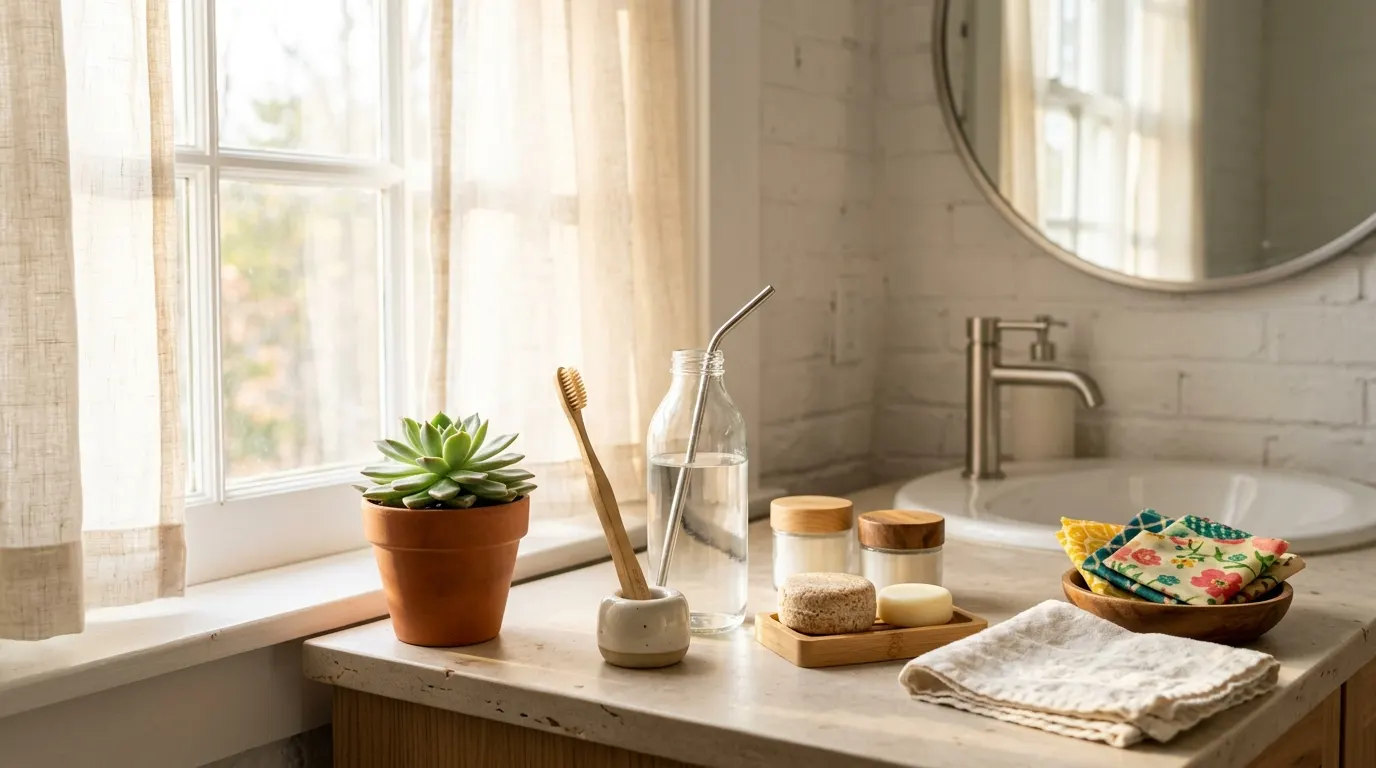
Moving towards a zero-waste kitchen can feel like a huge undertaking, but one of the most impactful and easiest places to start is with your food storage. Single-use plastics like cling wrap, sandwich bags, and disposable containers are major contributors to landfill waste. The good news is that there are many effective, reusable, and beautiful alternatives that not only help the planet but can also keep your food fresher for longer.
This post contains affiliate links. We may earn a small commission at no extra cost to you.This guide will walk you through the essentials of building a zero-waste food storage system that works for you.
The Problem with Plastic
Before we dive into the solutions, it's worth remembering why we're making this change. Plastic wrap is difficult to recycle and often ends up in our oceans and landfills, where it breaks down into harmful microplastics. Disposable plastic bags have a similar fate. By choosing reusable options, you significantly reduce your personal plastic footprint and contribute to a cleaner environment.
1. Beeswax Wraps: The Natural Cling Wrap Alternative
If you’re looking to replace plastic wrap, beeswax wraps are your new best friend. These are pieces of cotton fabric coated in a mixture of beeswax, jojoba oil, and tree resin. The warmth of your hands softens the wrap, allowing you to create a tight seal over bowls, wrap up sandwiches, or cover cut produce like avocados and onions.
They are naturally antibacterial, reusable for up to a year with proper care (just wash with cool water and gentle soap), and fully compostable at the end of their life. For a great starter set, check out these popular Beeswax Food Wraps on Amazon.
2. Reusable Silicone Bags: For Everything Else
For storing snacks, freezing leftovers, or packing lunches, reusable silicone bags are a game-changer. Made from food-grade silicone, they are incredibly durable, flexible, and can handle both hot and cold temperatures. This makes them perfect for everything from sous vide cooking to freezing soups and stews.
Unlike plastic bags, they are dishwasher-safe and can be used thousands of times. They come in various sizes, from small snack pouches to large gallon-sized bags, making them a versatile tool in any kitchen. You can find a wide variety of Reusable Silicone Food Bags to fit your needs.
3. Glass Jars and Containers: The Pantry Powerhouse
Glass is a fantastic material for zero-waste storage. It's non-porous, meaning it won't absorb food odors or stains, and it's infinitely recyclable. Start by saving glass jars from products like pasta sauce, pickles, and jam. They are perfect for storing bulk bin items like rice, nuts, and spices.
For leftovers and meal prep, investing in a set of Glass Food Storage Containers with airtight lids is a fantastic move. They can go from the freezer to the microwave or oven (without the lid!), making them incredibly convenient. Plus, seeing your food clearly helps you remember to eat your leftovers, reducing food waste.
4. Stainless Steel: Durable and Lightweight
Stainless steel containers are another excellent option, especially for lunch boxes and on-the-go meals. They are lightweight, virtually indestructible, and won't leach any chemicals into your food. Look for tiffins or bento-style boxes, which often have multiple compartments for keeping different food items separate. While you can't microwave them, they are perfect for cold or room-temperature foods and are a durable, long-lasting investment. Many parents love them for school lunches for their kids.
Making the switch to zero-waste food storage doesn't have to happen overnight. Start by picking one area to focus on, like eliminating plastic wrap with beeswax wraps, and build from there. Each small change adds up to a big impact on the health of our planet.