Think sustainable fashion means $90 organic cotton t-shirts and $300 recycled sneakers? Think again. Building an eco-friendly wardrobe is one of the most impactful changes you can make for the planet—and it doesn't have to cost more than fast fashion. In many cases, it costs less.
The fashion industry accounts for roughly 10% of global carbon emissions and is the second-largest consumer of water worldwide. But you don't need to overhaul your closet overnight. Small, affordable shifts add up fast.
Here are 12 practical ways to dress sustainably on a real-world budget.
1. Start With What You Already Own
The most sustainable garment is the one already in your closet. Before buying anything new, take stock of what you have. Mend small tears, replace missing buttons, and experiment with new outfit combinations. Apps like Whering and Stylebook let you catalog your clothes digitally so nothing gets forgotten in the back of a drawer.
2. Build a Capsule Wardrobe
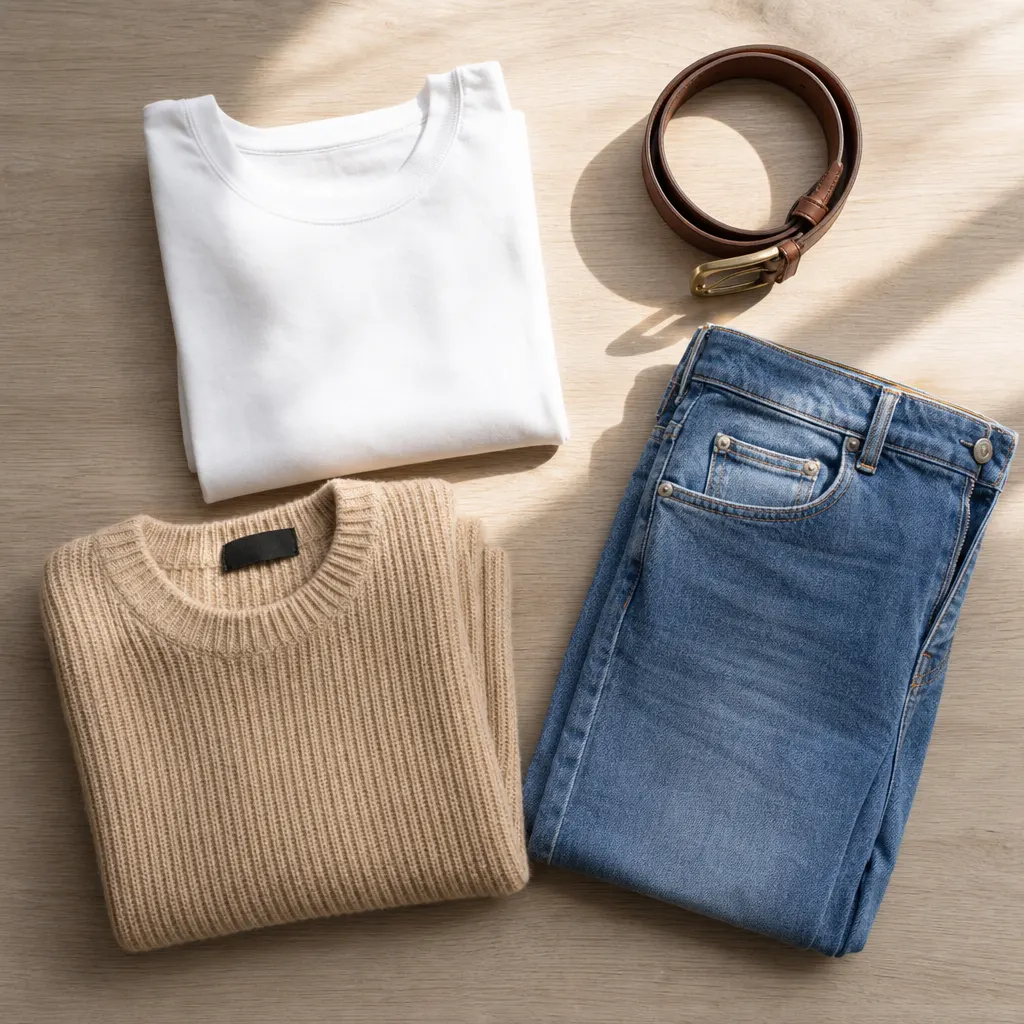
A capsule wardrobe—typically 30 to 40 versatile pieces—forces you to be intentional. Stick to neutral base colors and add personality with a few statement items. Fewer pieces means less waste, less decision fatigue, and more money saved over time.
3. Thrift Like a Pro
Secondhand shopping is the backbone of affordable sustainable fashion. Goodwill, Salvation Army, and local consignment shops are obvious starting points, but don't sleep on estate sales and church bazaars. For online thrifting, platforms like ThredUp, Poshmark, and Depop offer curated secondhand options that ship to your door.
Pro tip: Visit thrift stores on restock days (usually Monday or Tuesday) for the best selection.4. Host a Clothing Swap
Gather friends, bring unwanted clothes, and trade. Clothing swaps are free, social, and genuinely fun. What's stale in your closet might be exactly what someone else has been looking for. Community groups on Facebook and Nextdoor often organize larger swap events too.
5. Learn Basic Repairs
A $15 sewing kit and a couple of YouTube tutorials can extend the life of your wardrobe by years. Hemming pants, patching jeans, and fixing zippers are easier than most people think. Visible mending—where you use contrasting thread or patches as a design element—has become a style trend in its own right.
6. Choose Quality Over Quantity
When you do buy new, invest in pieces that last. A well-made $60 jacket you wear for five years costs less per wear than a $20 jacket that falls apart in six months. Look for tightly woven fabrics, reinforced seams, and natural fibers like organic cotton, linen, or Tencel.
7. Shop Affordable Sustainable Brands
Sustainable fashion has gotten significantly more accessible. These brands offer eco-friendly options without the luxury markup:
- Pact – Organic cotton basics starting around $15
- Quince – Factory-direct sustainable essentials at surprisingly low prices
- Uniqlo – Not perfect, but their recycled polyester and organic cotton lines are budget-friendly
- Girlfriend Collective – Activewear made from recycled bottles, with regular sales
- H&M Conscious – An entry point for sustainable materials at fast-fashion prices (just avoid buying more than you need)
8. Rent for Special Occasions
Need a dress for a wedding or a suit for an interview? Rent it. Services like Rent the Runway, Nuuly, and HURR let you wear high-quality pieces once or twice without the environmental cost of ownership. This is especially smart for items you'd only wear a handful of times.
9. Wash Smarter
How you care for clothes matters as much as how you buy them. Washing in cold water, air-drying when possible, and using a microfiber-catching laundry bag (like the Guppyfriend) reduces fiber shedding and extends garment life. As a bonus, you'll save on energy bills too.
10. Sell or Donate What You Don't Wear
If you haven't worn something in a year, pass it on. Selling on Poshmark or Mercari puts cash back in your pocket. Donating to local shelters ensures clothes go to someone who needs them. Either way, keeping clothes in circulation is always better than sending them to a landfill.
11. Avoid Trend Chasing
Fast fashion thrives on micro-trends that expire in weeks. Sustainable fashion thrives on personal style that lasts. Find what you genuinely like—not what an algorithm told you to like—and your wardrobe will stay relevant for years instead of months.
12. Set a One-In-One-Out Rule
For every new piece that enters your closet, one piece leaves. This simple habit prevents wardrobe bloat, keeps you intentional about purchases, and ensures a steady stream of donations or resales.
The Bottom Line
Sustainable fashion isn't about perfection or spending more. It's about slowing down, making thoughtful choices, and recognizing that every purchase is a vote for the kind of world you want to live in. Start with one or two changes from this list and build from there.
Your wallet and the planet will both thank you.